Glamping in the USA looks dreamy on Instagram with fairy lights, cozy beds, hot tubs under the stars, but is it actually safe? The honest answer is yes, glamping is generally very safe when you choose the right property and follow a simple safety checklist before and during your stay. You are still in nature, though, so things like fire safety, weather, and wildlife do matter.
This guide walks you through what “safe glamping” really means, what to check before you hit the book button, and the exact safety steps to follow once you arrive at your glamping spot in the USA.
What Does “Safe Glamping” Really Mean
Glamping vs traditional camping safety:
Traditional camping usually means a thin tent, a sleeping bag on the ground, and very basic facilities, if any. Glamping sits in between camping and a hotel:
- You sleep in more solid structures like cabins, domes, yurts, pods, safari tents, or tiny homes.
- There’s often real furniture, better lighting, and sometimes heating or cooling.
- Many properties include lockable doors, smoke detectors, fire extinguishers, and clear house rules.
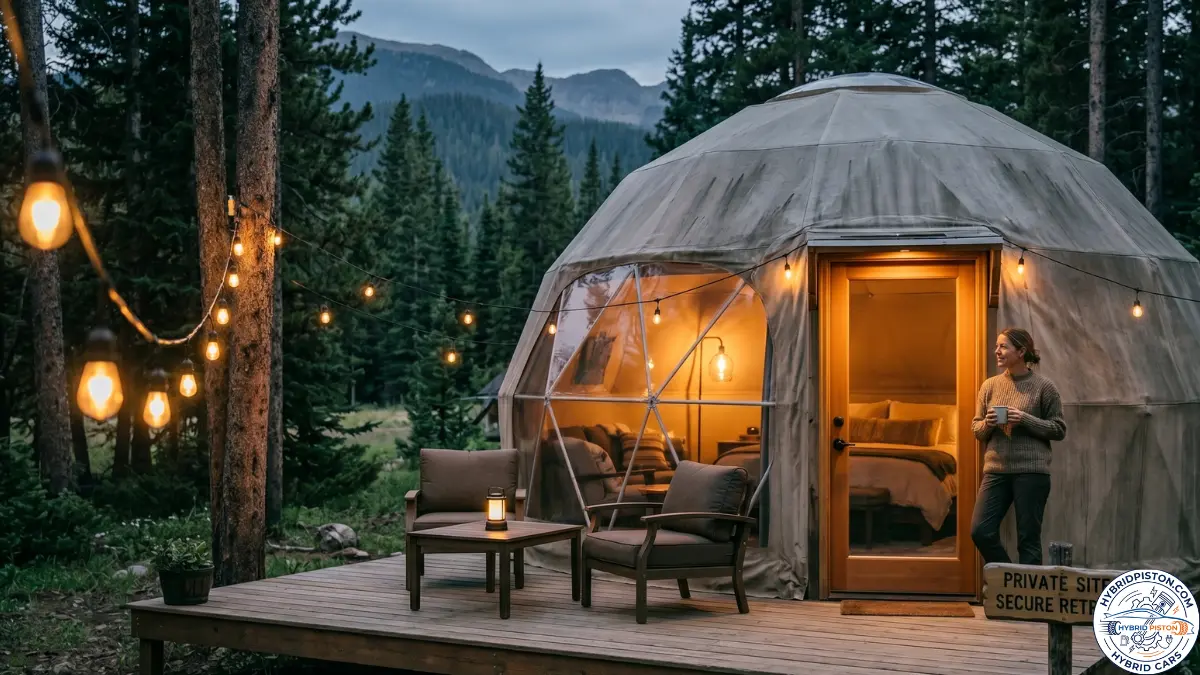
All of this usually makes glamping feel safer and more comfortable than pitching your own tent, especially for beginners, families, or anyone nervous about the outdoors.
But you are still outdoors:
Even with cute decor and comfy beds, you are still dealing with:
- Open flames (campfires, grills, stoves).
- Unpredictable weather (storms, high winds, heat waves, cold snaps).
- Uneven ground, dark paths, and basic lighting at night.
- Local wildlife, from raccoons and insects to, in some areas, bears or snakes.
Glamping removes a lot of discomfort but not all risk. The goal is not to be scared, it’s to be prepared, just like you would be for any nature trip.
Is Glamping Safe in the USA?
The overall safety picture:
Glamping has exploded across the USA, and industry groups like the American Glamping Association have created specific safety checklists for both operators and guests. These checklists focus on:
- Knowing the local hazards (terrain, weather, wildlife).
- Taking fire safety seriously.
- Ensuring basic structural and equipment safety (locks, alarms, extinguishers).
- Having emergency information and first‑aid available.
Most established glamping resorts and campgrounds in the USA also fall under state, local, or park regulations around fire rules, sanitation, and building safety, which gives guests a good baseline of protection.
When glamping can be less safe:
Risk goes up when you combine things like:
- A very remote location with poor access and no staff presence.
- Zero or almost no reviews, unclear photos, and vague descriptions.
- Environments with high wildfire risk or severe seasonal weather, where guests arrive unprepared.
In these cases, you have to behave more like a self‑reliant camper. The safety checklist below becomes even more important.
Pre‑Booking Safety Checklist (Before You Pay Anything)
This is the checklist your readers can follow from their sofa, before they book any glamping stay in the USA.
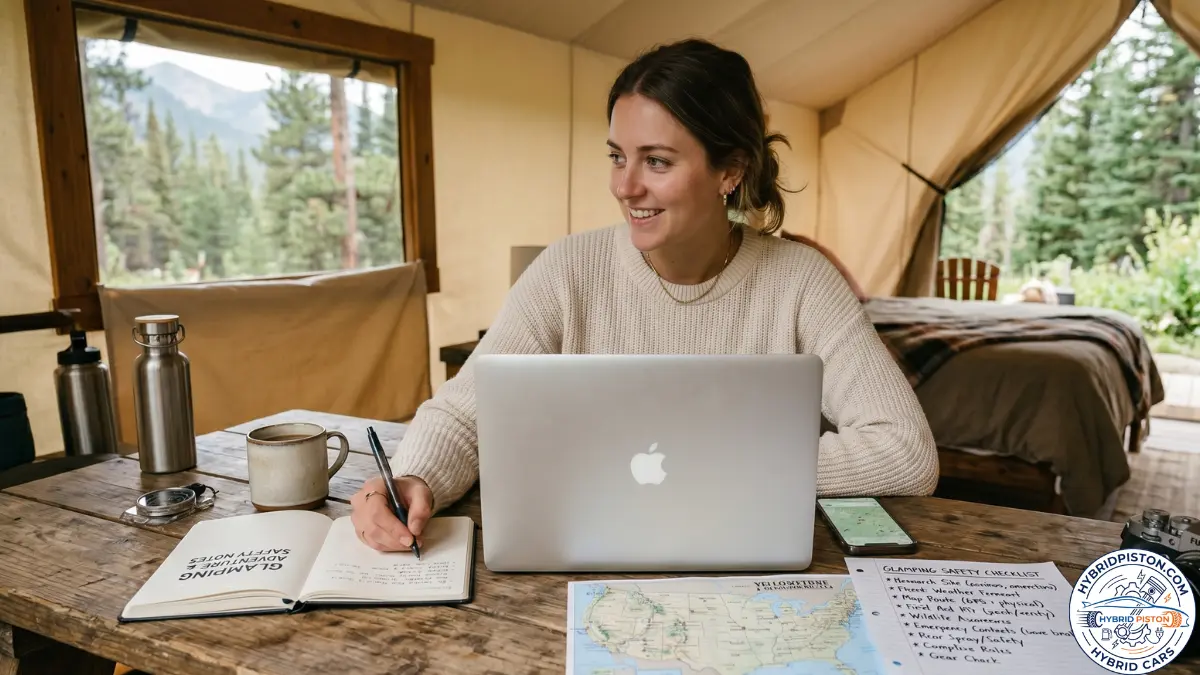
1. Research the property and host
Do a quick safety scan of the listing:
- Read recent reviews on at least one major platform and look for comments about cleanliness, maintenance, and how quickly the host handles problems.
- Study guest photos, not just the host’s polished images. They reveal the real spacing between units, the actual bathroom quality, and how the location looks in normal light.
- Check if the place is part of a known campground, resort, or association (like properties listed with or referencing American Glamping Association guidance), which usually means clearer standards and rules.
If everything feels vague or inconsistent, treat that as a flag and dig deeper or move on.
2. Check access to emergency help
Don’t just look at pretty views, look at access:
- How far is the nearest hospital or urgent care in actual driving time, not just miles?
- Is there an on‑site office, ranger, or camp host, or is it self‑check‑in only?
- What is cell coverage like, and is there Wi‑Fi, or do they recommend downloading offline maps before arrival?
Knowing these details ahead of time means you won’t be scrambling if someone gets hurt, a fire breaks out, or a storm moves in.
These are basic, non‑negotiable safety features in any modern glamping stay.
3. Ask about fire rules and restrictions
In many US regions, wildfire risk is serious, and rules change with the season.
- Confirm whether open fires are allowed, and if so, whether you must use designated fire pits or grills only.
- Ask if fire bans or burn restrictions are common at that time of year.
- Check what’s allowed inside the unit: Is there a safe heater? Are open flames like candles explicitly banned? (They usually should be.)
Good hosts will have clear, written fire guidelines. If they don’t, that’s a concern.
4. Clarify what’s included and what you must bring
Glamping sits on a spectrum from nearly all‑inclusive to very DIY.
- Confirm whether bedding, towels, and toiletries are provided.
- Ask if there’s a basic first‑aid kit on site or if you’re expected to bring your own.
- Check what lighting exists (indoor lamps, outdoor pathway lights) so you know if you must pack extra lanterns or headlamps.
Clear details here make your packing smarter and your stay safer.
Check out the budget glamping tips without losing comfort
On‑Site Arrival Checklist (Your First Hour)
Once you arrive at your glamping site in the USA, use this quick checklist before you relax.
1. Arrive in daylight if possible
Safety experts and park services strongly recommend arriving with enough daylight to inspect your site.
Do a quick walk‑through to:
- Spot tripping hazards like loose boards, broken steps, or hidden roots.
- Check for dangerous drop‑offs or water edges near your unit if you have kids.
- Identify the safest walking routes to the bathroom, parking, and fire pit while it’s still light.
You see far more in daylight than in the beam of a phone flashlight.
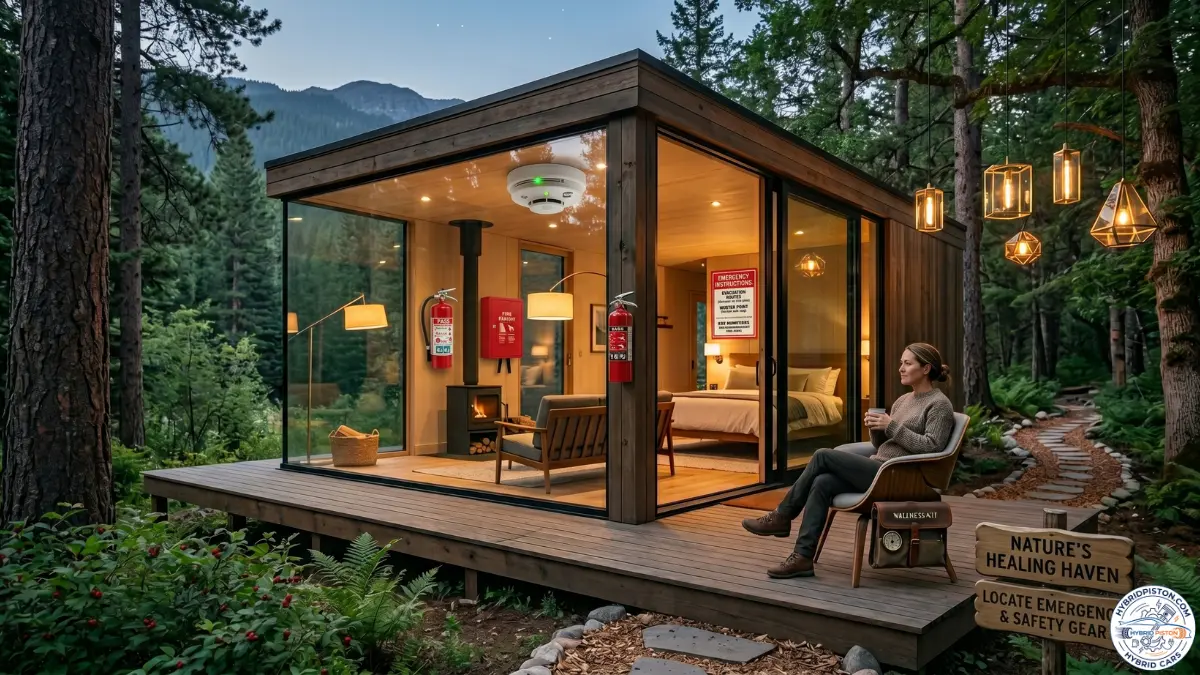
2. Locate emergency and safety gear
Before you unpack:
- Find the fire extinguisher (and fire blanket if provided) and make sure you know how to use it.
- Look for smoke and carbon‑monoxide detectors in cabins or RVs and test them if possible.
- Check any posted emergency instructions: evacuation routes, muster points, and key phone numbers.
Knowing this information in advance can make a huge difference in a real emergency.
3. Follow strict fire safety on site
Most serious camping accidents involve fire, so glamping guests should be just as careful as tent campers. You can check more about fire safety and wildlife
Follow these basics:
- Use only the designated fire ring or pit. Don’t drag it under trees, near your deck, or next to your tent.
- Keep your fire small and always attended. Never walk away “just for a minute.”
- Keep flammable items, such as chairs, extra wood, and tents, away from flames.
- Fully extinguish your fire with water, stir the embers, and ensure everything is cool to the touch before bed or departure.
Inside the unit, never use open flames (candles, gas stoves) and keep any heater a safe distance from fabrics.
4. Store food safely and manage wildlife
In many USA glamping regions, food left out is an invitation to wildlife.
Good habits include:
- Keeping all food in sealed containers or coolers, preferably in your car or a designated storage locker, never leave soft bags inside a tent.
- Using bear boxes where provided in bear country and never leaving snacks on decks or picnic tables overnight.
- Put trash in closed bins or collection points away from where you sleep.
These steps are as much about protecting animals as protecting yourself.
5. Use proper lighting at night
Many glamping properties keep outdoor lighting minimal for atmosphere and stargazing.
- Carry a headlamp or flashlight for each person, not just a phone screen.
- Learn your main routes in daylight so you’re not guessing in the dark.
- Keep a light by your bed for quick access if you wake in the night.
This alone prevents many slips and falls on steps, gravel, and roots.
Personal Security and Privacy
Lock up and stay aware:
Serious crime at glamping sites is rare, but basic security habits still matter.
- Lock doors or tent zips whenever you sleep or leave the unit.
- Keep valuables out of sight or stored in your car if there’s no safe.
- Avoid broadcasting your exact unit and location in real time on public social media.
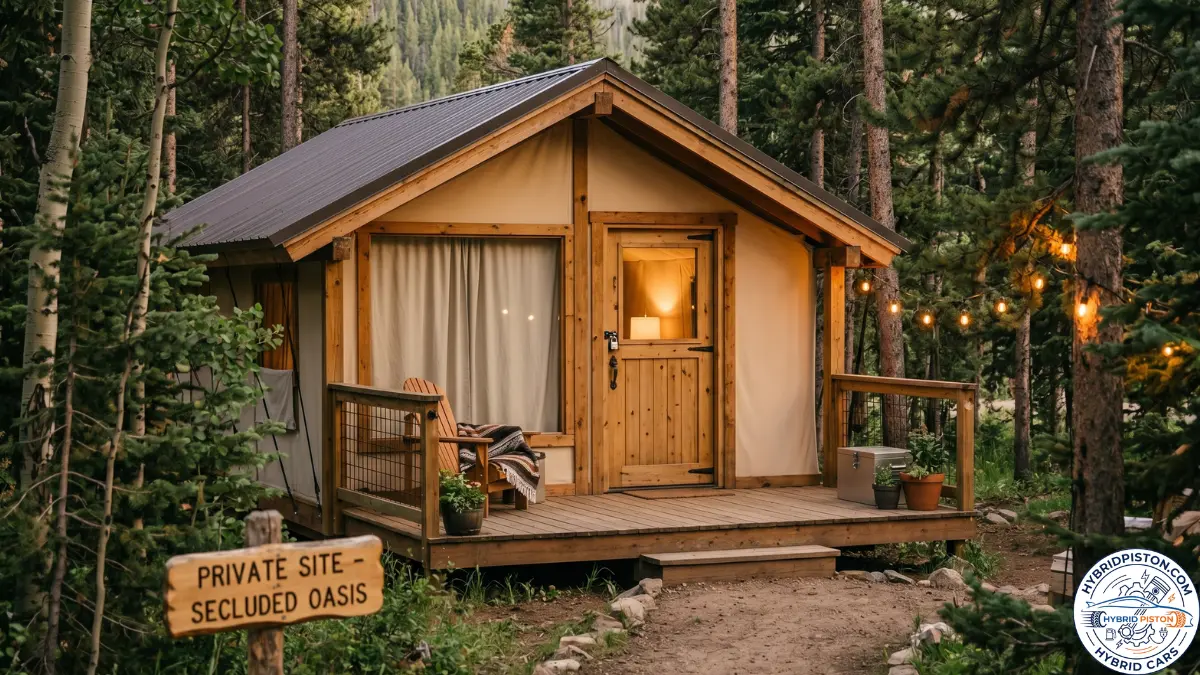
Think of it as a small boutique hotel in the woods: usually safe, but still worth basic precautions.
Extra tips for solo travelers and families:
If you’re traveling solo or with kids:
- Share your itinerary, address, and property contact details with someone at home.
- Teach kids simple rules: stay within agreed boundaries, no going near fire or water alone, and never approach wildlife.
- Choose properties with a visible staff presence and clear rules, especially for late arrivals and quiet hours.
These steps make glamping feel reassuring, even if you’re new to outdoor stays.
Red Flags: When to Think Twice or Walk Away
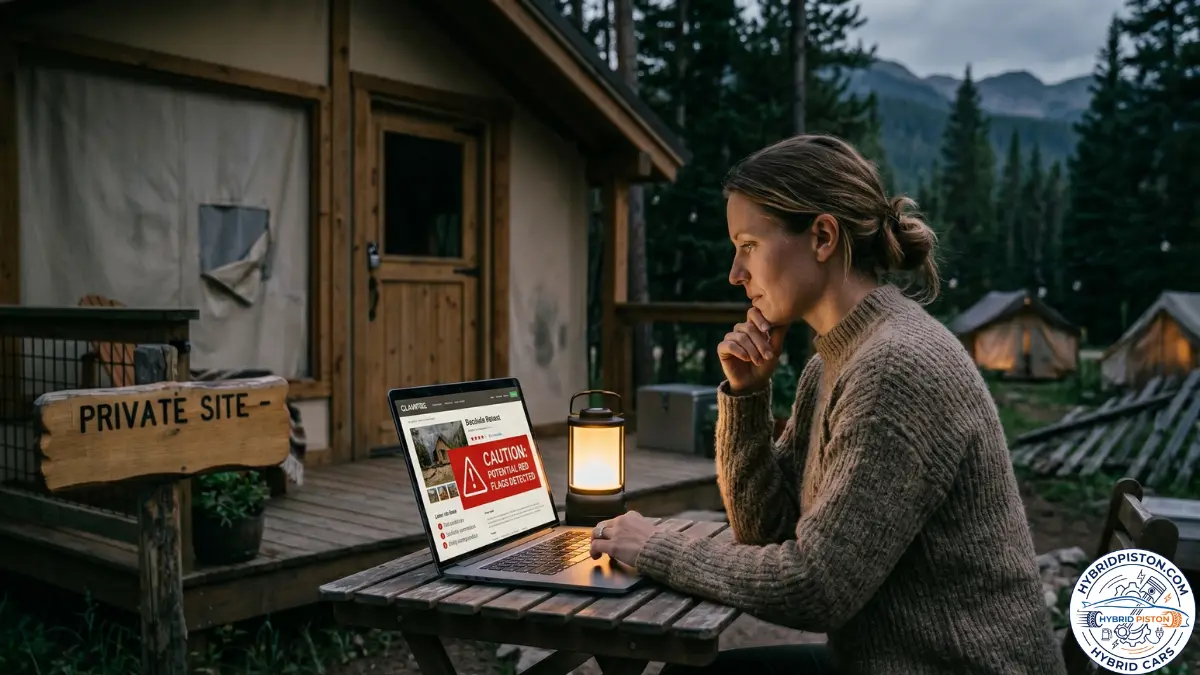
Online red flags before you book
Pause or rethink if you notice:
- Almost no reviews or only one‑line reviews that feel generic.
- A listing that never mentions safety details like fire rules, bathrooms, or structure type.
- Photos that carefully avoid showing bathrooms, surroundings, or access roads.
In these cases, send direct questions to the host. If answers are vague or slow, it may be safer to choose another property.
On‑site red flags after you arrive
Once there, pay attention to:
- Broken or unstable steps, decks, or railings, exposed wiring, or clearly neglected structures.
- Fire pits placed under trees or close to tents/cabins, with no water source or extinguisher nearby.
- Overflowing trash, strong smells, or visible signs of pests near sleeping areas.
If you feel something is genuinely unsafe, talk to the host immediately. In serious cases, your safety is more important than a non‑refundable night.
Final Thoughts: A Simple Formula for Safe USA Glamping
Glamping in the USA is usually very safe and often safer than classic camping because of sturdier structures, better facilities, and increasing industry focus on safety standards. But safety doesn’t happen automatically; it comes from choosing well‑run properties and following a straightforward safety checklist:
- Do your pre‑booking research (reviews, location, emergency access, fire rules, structure details).
- On arrival, walk the site in daylight, find safety equipment, follow fire rules, store food properly, and stay weather‑aware.
- Pack a small personal safety kit and use basic hotel‑level security habits.
Follow these steps, and you can enjoy all the cozy, Instagram‑worthy parts of glamping, soft beds, and fairy lights. morning coffee with a view while still feeling confident about your safety in the great outdoors.
FAQs
Is glamping safer than camping?
In many cases, yes. Glamping usually offers sturdier shelters, better lighting, lockable doors, and sometimes on-site staff, which can make it safer than traditional tent camping.
What are the biggest safety risks in glamping?
The main risks are fire, bad weather, wildlife, poor night lighting, and remote locations with limited emergency access.
Is glamping safe for families?
Yes, many glamping stays are family-friendly, but it is still important to check the site layout, fire safety, nearby water, and supervision needs for children.
Do I need to check the weather before a glamping trip?
Yes, the Weather can change quickly outdoors, so always check the forecast before departure and again during your stay.